

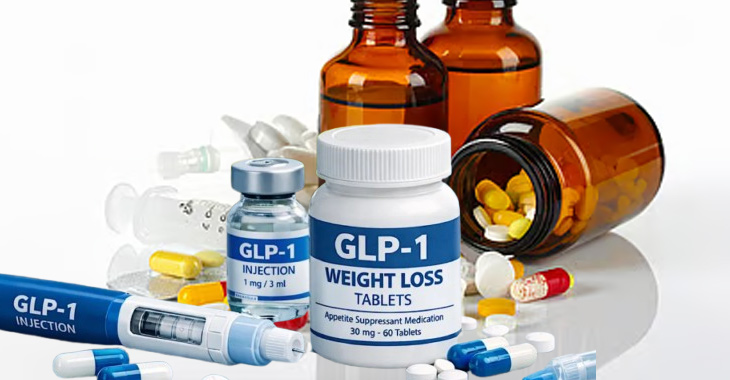
As demand increases and cheaper generic versions are expected to enter the Indian market, the country’s drug regulators are increasing scrutiny of the rapidly expanding obesity and diabetes treatments, notably GLP-1 receptor agonists.
The action follows the Indian Pharmacopoeia Commission (IPC), which operates under the Ministry of Health, being charged with methodically gathering and analyzing reports of adverse events associated with these medications.
The goal of the effort is to improve post-marketing surveillance and make sure that any safety issues are found and resolved as soon as possible.
According to authorities, the move is a component of a larger regulatory effort to keep up with the widespread use of these treatments, especially as they become more affordable.
Now that the patent for semaglutide, a major component in well-known weight reduction therapies, has expired, there are anticipated to be more affordable generic options available, which may increase accessibility but also increase the possibility of misuse.
The Drug Controller General of India (DCGI), who has been directing recent enforcement activities to restrict the illegal sale and marketing of GLP-1 medicines, has increased surveillance in response to these actions.
The authorities recently inspected 49 establishments nationwide, including weight reduction centers, online pharmacy warehouses, retailers, and wholesalers.
The goal of these inspections, which were carried out in several areas, was to uncover violations like selling drugs without a prescription, using incorrect prescription practices, and using deceptive advertising.
Violators have received notices from the government, which warns that further non-compliance may result in license revocation, financial penalties, and legal action.
The Centre has also clarified that these medications can only be prescribed by licensed professionals, such endocrinologists, cardiologists, and internal medicine specialists.
The government ordered producers on March 10 to cease all deceptive advertising and any promotions that may promote unsupervised usage.
By delaying gastric emptying, GLP-1 receptor agonists, which are commonly used to treat type 2 diabetes and are becoming more popular for weight reduction, increase insulin release and suppress appetite.
On the other hand, health officials have warned about possible side effects, including nausea and vomiting, as well as more severe ones like pancreatitis, renal damage, and bowel blockage.


Leave a Reply