

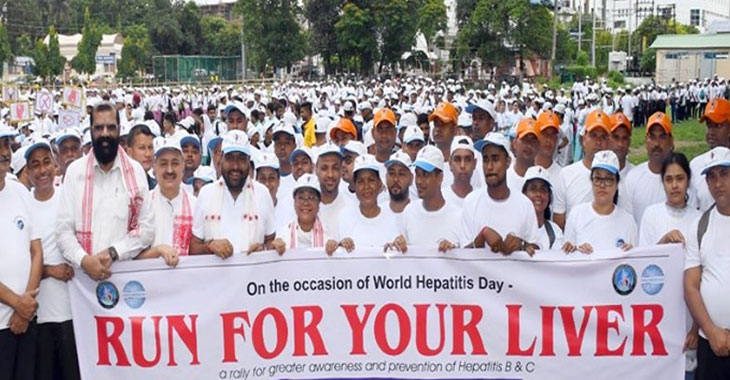
On the occasion of ‘World Liver Day‘, leading specialists on Sunday issued a warning that excessive intake of energy drinks is becoming a major cause of liver damage among young people in India.
According to medical professionals, the trend is getting worse, with young patients exhibiting earlier and earlier indicators of liver illness.
Energy drinks are heavily advertised to young consumers as fatigue relievers and performance enhancers, but they frequently include caffeine concentrations that far exceed daily recommended levels, as well as compounds that the liver must metabolize, such taurine and herbal stimulants.
According to medical professionals, this biochemical overload can, over time, harm liver function.
Additionally, medical professionals cautioned against the growing practice of combining alcoholic beverages with energy beverages. Because caffeine has a stimulating impact, people may drink more alcohol than they are aware of because it hides the sedative effects of alcohol.
“Energy drinks, alcohol, and high-sugar drinks are three significant causes of liver malfunction... Dr. Abhideep Chaudhary, President of the Liver Transplantation Society of India (LTSI) in New Delhi, stated that alcohol remains a major cause of liver illness, while sugary beverages exacerbate fatty liver disease.
A liver transplant is frequently the only option for saving a life if liver damage worsens beyond a certain threshold, he said.
The journal BMJ Case Reports featured a case of acute hepatitis in a formerly healthy person brought on by drinking too many energy drinks, resulting in elevated amounts of niacin (Vitamin B3), which is known to be hepatotoxic.
According to study, energy drinks’ high sugar content, caffeine, and chemical additions might cause oxidative stress, inflammation, and fat accumulation in liver cells.
According to experts, these variables gradually cause liver damage, and frequent consumption, especially when combined with alcohol or bad diets, greatly raises the chance of developing non-alcoholic fatty liver disease (NAFLD).
With an increasing proportion of young people and adolescents, studies indicated that between 25 and 30% of the urban population may have non-alcoholic fatty liver illness.
We are seeing a demographic shift in liver disease, with more patients in their 20s and 30s experiencing illnesses that were previously thought to be exclusive to the elderly.
Young people are often ignorant of the hazards and think of these drinks as a common aspect of their lives, according to Dr. Neerav Goyal, President-Elect of the Liver Transplantation Society of India (LTSI) and Head of Liver Transplant, Hepatobiliary and Pancreatic Surgery at the Indraprastha Apollo Hospital.


Leave a Reply